
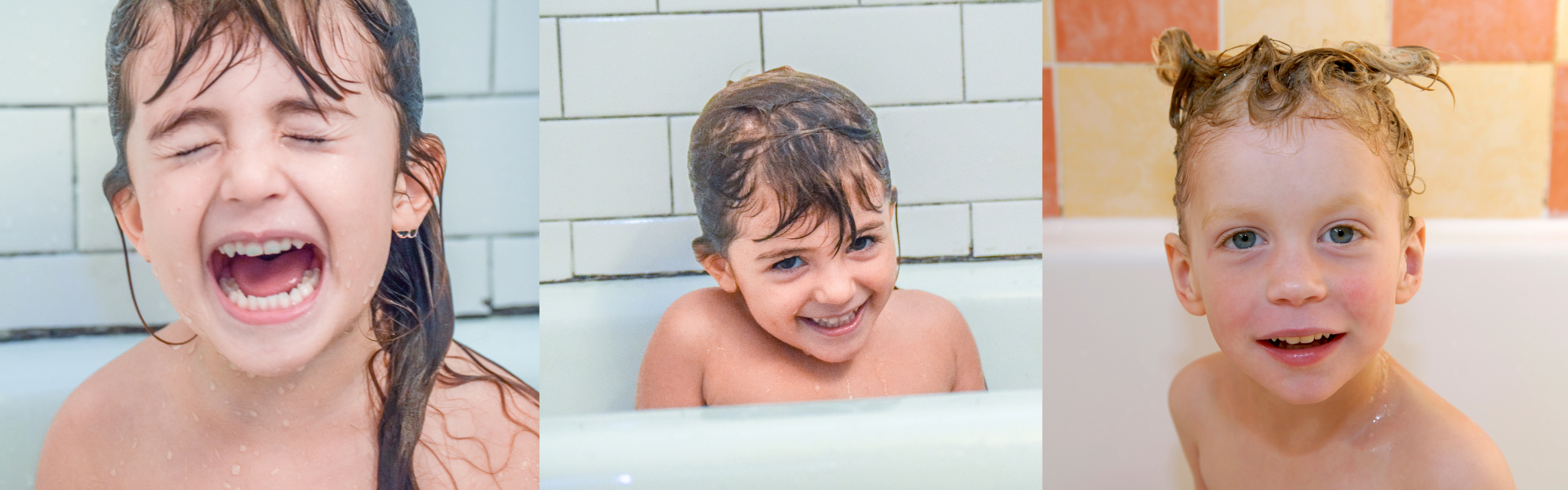

Bath time is supposed to be one of the easiest parts of the day. A chance for children to play, relax, and get clean before bed.
For me, bath time was also where a lot of confusion started. Like many parents, I assumed more bubbles meant more fun and that products marketed for children would automatically be suitable for sensitive skin. Unfortunately, I quickly discovered that wasn't always the case.
Over the years I noticed that some bath products left my children's skin feeling dry, irritated, or uncomfortable afterwards. What surprised me most was how much of a difference a few simple changes made.
If your child has sensitive skin, this blog will walk through the bath routine I personally follow and some of the lessons I learned along the way.
Why Bath Time Matters For Sensitive Skin
Bath time can either support healthy skin or sometimes contribute to dryness and irritation. Sensitive skin naturally struggles more to hold onto moisture. Long baths, hot water, and heavily fragranced products can sometimes leave skin feeling even drier afterwards.
That doesn't mean children should avoid baths. It simply means being a little more mindful about what products are being used and what happens after bath time.
For me, what happened after the bath became just as important as the bath itself.
My Simple Bath Routine
After years of trying different approaches, I found that keeping things simple worked best.
Step 1: Warm Water, Not Hot
Children often love very warm baths, but I found that overly hot water sometimes left skin feeling drier afterwards.
I now keep bath water comfortably warm rather than hot.
Step 2: Use A Gentle Cleanser
I choose a simple cleanser designed for sensitive skin.
I try to avoid heavily fragranced products and products containing lots of unnecessary ingredients.
For my children's faces, I often use just water and a soft cloth.
Step 3: Keep Bath Time Reasonable
This one surprised me.
The longer my children stayed in the bath, the drier their skin sometimes appeared afterwards.
These days I focus more on a gentle, effective bath rather than an hour-long swimming session.
Although I admit that's sometimes easier said than done.
Products That Didn't Work For Us
Every child is different, but there were a few things I personally became cautious about.
Bath Bombs
My daughter absolutely loved them.
Unfortunately her skin did not.
Even products claiming to be gentle, natural, or suitable for children occasionally caused irritation for her.
Strong Fragrances
Products that smelled amazing often seemed to cause the most problems.
Over time I moved more and more towards fragrance-free options.
Constantly Changing Products
This was probably my biggest mistake.
Whenever something wasn't working perfectly, I bought something new.
Instead of helping, it often made it harder to identify what was actually causing the reaction.

The Most Important Step Happens After The Bath
If there is one thing I wish I had understood sooner, it's this.
The most important part of the routine isn't always the washing.
It's what happens afterwards.
After bath time, I focus on moisturising while the skin is still fresh from bathing.
This helps lock moisture into the skin and prevents that tight, dry feeling that sensitive skin can sometimes develop.
For my own children, this single habit probably made more difference than any specific bath product ever did.
What I Learned About Moisture
For years I thought moisturiser was something you used when skin looked dry.
Now I see it differently.
Moisturising is part of maintaining healthy skin rather than waiting for problems to appear.
I found that consistent moisturising often helped prevent issues from becoming worse in the first place.
Particularly during colder months or seasonal changes when my children's skin tends to be more reactive.
Common Bath Time Mistakes I Made
Looking back, I definitely made my fair share of mistakes.
Some of the biggest were:
-
assuming products marketed for children would automatically suit sensitive skin
-
using too many different products
-
focusing on washing rather than moisturising
-
changing routines too frequently
-
chasing miracle products instead of consistency
Most of the improvements came when I simplified everything.
How Our Bath Routine Changes During Different Seasons
One thing I've learned over the years is that my children's skin doesn't behave the same way all year round. My son's skin often becomes more reactive during spring and summer, while colder weather can leave skin feeling much drier.
During these periods I pay closer attention to moisturising and make sure I stay consistent with our routine.
The routine itself rarely changes dramatically. The amount of moisture support often does.
One of the biggest lessons sensitive skin taught me is that simple routines are often the most effective.
As parents, it's easy to feel like we need complicated solutions when our children's skin isn't behaving the way we'd like.
In reality, I found that gentle cleansing, consistent moisturising, and avoiding unnecessary products made the biggest difference.
Every child's skin is different, but keeping bath time simple gave me far better results than constantly searching for the next product promising to solve everything overnight.
How to Support Your Child’s Skin Barrier Naturally | Boo Bear Skincare Guide
Morning Routine for Kids With Sensitive Skin | Boo Bear Skincare Guide